

Why UK Horse Racing Events Are Sometimes Not On
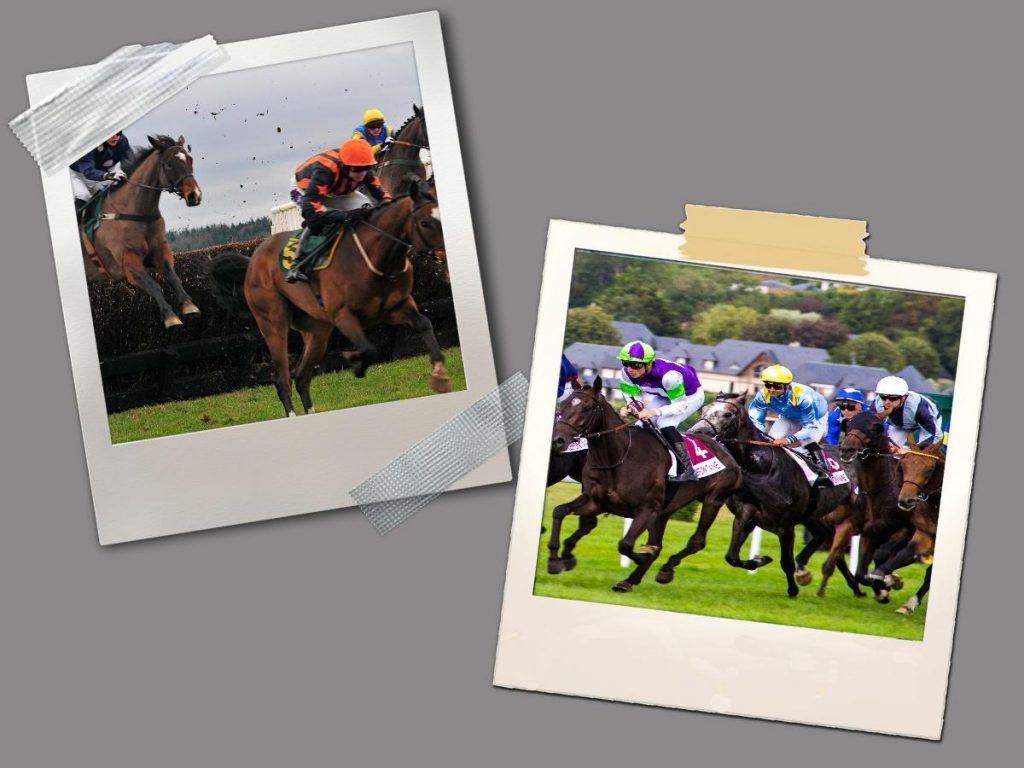
The vibrant world of UK horse racing possesses a rich history and a dedicated following. Yet, there are times when races simply do not occur. Several factors contribute to these interruptions in one of the UK’s most beloved sports. In this article, we will explore the reasons behind the cancellations of horse racing events, providing insights into the intricate dynamics of the horse racing industry. For those interested in betting during these times, you can explore UK horse racing not on GamStop horse racing betting not on GamStop as an alternative.
Economic Factors
One of the pivotal reasons behind cancelled or postponed horse racing events in the UK is economic instability. In recent years, fluctuations in the economy have impacted sponsorships and funding for various racing events. When economic conditions are unfavorable, racecourses may struggle to cover operational costs, which can lead to cancellations. Additionally, decreased attendance due to economic constraints can lead to a decrease in revenue, further endangering the viability of continued racing.
Weather Conditions
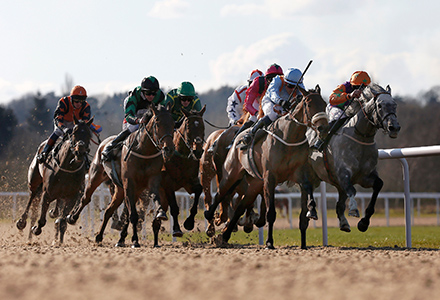
The unpredictable nature of the UK’s weather is another significant factor that contributes to the cancellation of horse racing events. Heavy rains can make tracks unfit for racing, leading to concerns about the safety of both horses and jockeys. In such cases, officials must prioritize safety, resulting in last-minute cancellations that leave fans—and participants—disappointed. This is particularly common during the winter months when waterlogged tracks are a frequent occurrence.
Regulatory Considerations
The UK horse racing industry is governed by strict regulations that ensure the safety and integrity of the sport. If any issues arise concerning the health or eligibility of horses, races may be called off. For instance, if a horse tests positive for banned substances, it can lead to wide-ranging repercussions, including the cancellation of not only that specific race but also others on the same card. Such regulatory measures, while essential for maintaining a fair sport, can sometimes interfere with race schedules.
Safety Concerns
Recent years have seen heightened awareness around animal welfare and the safety of racing conditions. When any potential risks arise—whether due to veterinary concerns, track conditions, or other unforeseen circumstances—the powers that be may choose to err on the side of caution. Horse racing authorities often assess risks carefully, and if they determine that conditions are not safe for racing, then events may be cancelled or postponed.
Economic Impact of Cancellations
Cancelled races have a ripple effect through the industry, impacting not only the racecourses but also jockeys, trainers, and fans. Many participants rely on the income generated from each race, and cancellations can create financial strain. Moreover, racecourses built for thousands of spectators suffer a loss of ticket sales and may face increasing operational costs despite reduced revenue. This is an unfortunate cycle that can threaten the continuity and affordability of horse racing in the UK.
Alternatives and Resilience
Despite these challenges, the UK horse racing industry shows resilience. Alternative events and festivals are being pursued to maintain interest and excitement among fans. Seasonal events, such as the Royal Ascot or the Cheltenham Festival, continue to thrive, attracting both local and international visitors and maintaining a sense of excitement around horse racing. Moreover, advancements in technology and the rise of online betting platforms provide additional opportunities for fans to engage with the sport—even when live events are not taking place.
The Future of UK Horse Racing
Looking ahead, the future of UK horse racing appears cautiously optimistic. Continuous investment into improving racing facilities, implementing safety measures, and responding to regulatory changes will be crucial in ensuring the sport’s longevity. Engaging with the community, creating family-friendly experiences, and promoting responsible betting are ways the industry can evolve to stay relevant in an ever-changing entertainment landscape.
Conclusion
In conclusion, while the world of UK horse racing may face interruptions due to various factors, understanding these reasons can provide insight into the industry’s complexities. From economic and weather-related issues to regulatory concerns, the dynamic nature of horse racing reflects broader trends within sports and entertainment. As both participants and fans navigate the ups and downs of this age-old sport, the bonds within the equestrian community will continue to thrive, ensuring that the spirit of racing endures through challenges.

Comentários estão fechados.